

The Brew-Hammond Energy Centre (TBHEC) at the Kwame Nkrumah University of Science and Technology, Kumasi (KNUST) in collaboration with the Climate Compatible Growth (CCG) Ghana Network, has held a student-focused workshop on Ghana’s energy transition highlighting investment prospects and job opportunities within the country’s low-carbon future.
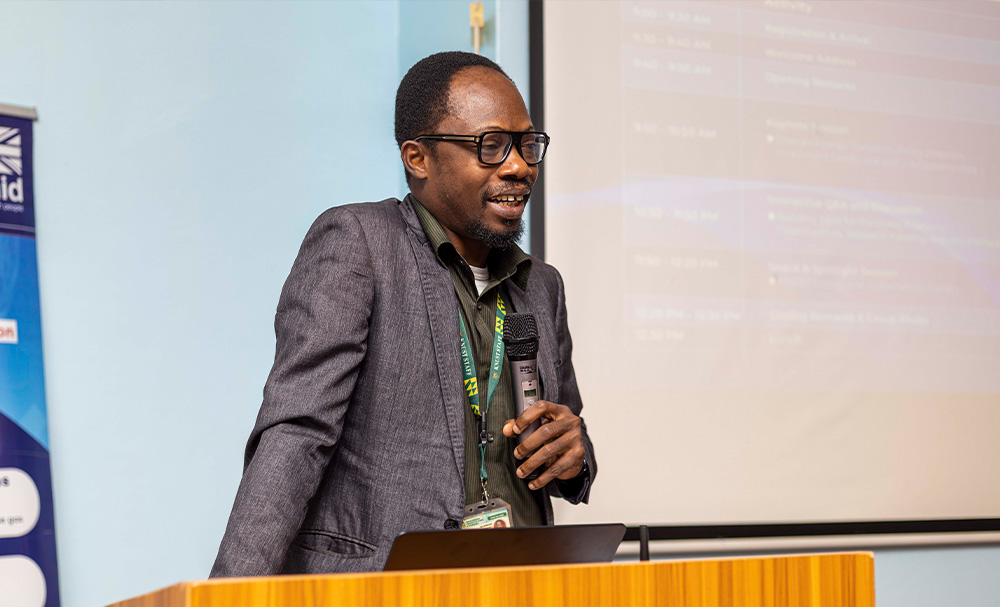
Delivering the welcome address, Prof. David Ato Quansah, Director of the Brew-Hammond Energy Centre, said the global energy sector was undergoing significant transformation and Ghana must position itself strategically to benefit.
“As you may know, the energy sector globally is in transition, and Ghana cannot be left behind,” he stated.
Prof. Quansah noted that the energy transition conversation has evolved beyond technological shifts to issues of justice and equity, He stressed that opportunities arising from the transition, particularly employment, must be fairly distributed.
“There is a justice component to this transition. The opportunities that arise from it, including jobs along the value chain, should be equitably distributed,” he said.
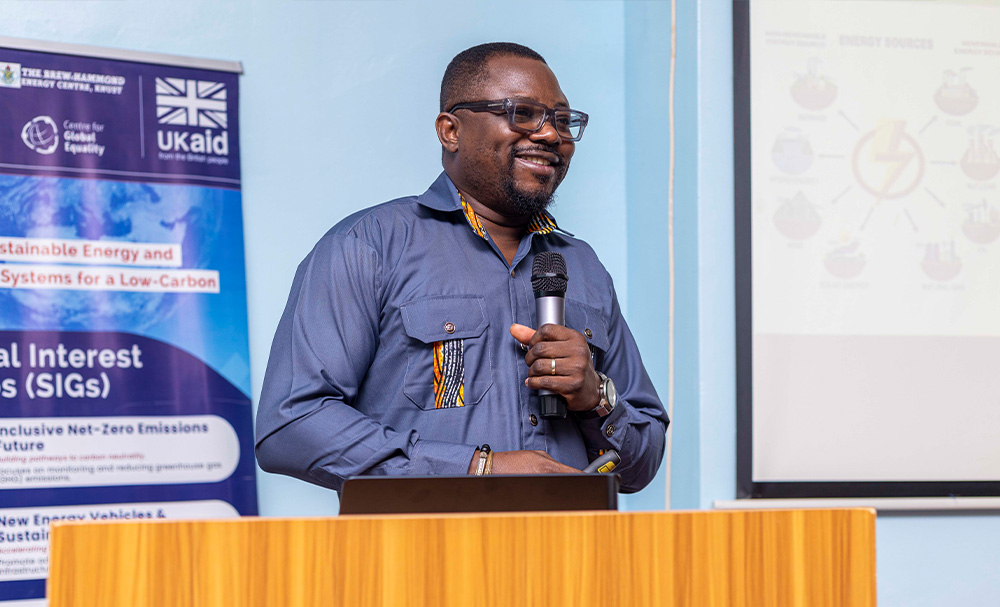
Dr. Robert Bright Sogbadji, Deputy Director for Renewable Energy and Green Transition at the Ministry of Energy and Green Transition and Lead for the Inclusive Net-Zero Emissions Special Interest Group (SIG) of CCG-Ghana, placed emphasis on Ghana’s energy transition pathway and the employment prospects it presents for young people.
He explained that the transition is not merely an environmental agenda but a structural shift in how Ghana generates and consumes energy. According to him, the move away from fossil fuels toward cleaner energy sources is necessary to curb rising emissions and position the country within the global low-carbon economy.
“Energy transition is the path toward transformation of the global energy sector from fossil-based fuel to zero carbon by the second half of this century,” he said.
With climate change being critical to energy transition, he said that it is caused by a natural phenomenon which is largely driven by human activities and the acceleration to anthropogenic emissions from electricity generation, transport, industry, agriculture and waste.
“The issue with the climate changes we have now is the rate at which the planet is warming up,” Dr. Sogbadji noted.
He, however, cautioned that energy transitions may come with disruptions, students should view the transition as an opportunity rather than a threat.
“Now, this energy transition is a double-edged sword. It has benefits and disadvantages. So, you have to make sure that you maximize the benefits and minimize the adverse effects of it,” he encouraged.
Dr. Sogbadji linked the transition directly to students’ career planning and advised them to align their academic choices with emerging opportunities in the green economy.
“These new technologies that are coming in to do energy efficiency and to do clean cooking, are all new areas that you can diversify in to create jobs,” he urged.
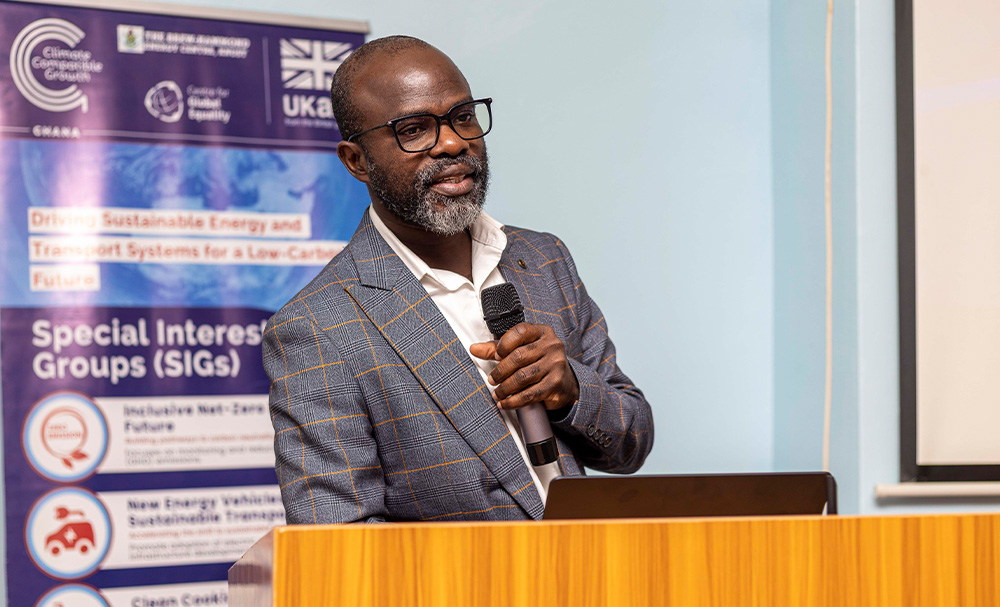
The Coordinator of the CCG Ghana Network, Prof. Francis Kemausuor, explained that Climate Compatible Growth programme is aimed at decarbonizing energy and transport systems, and provides policy, planning and investment support to help countries develop long-term, financeable low-carbon strategies.
“Our core goal is to promote low-carbon growth and strengthen local capacity,” he noted.
He added that CCG organizes workshops and training sessions to prepare researchers and students for emerging opportunities in the energy transition.
Prof. Kemausuor disclosed that the Ghana Network operates five Special Interest Groups focused on green hydrogen, clean cooking, new energy vehicles, financing the energy transition, and an inclusive net-zero emissions future. He encouraged students to actively participate in the network’s activities and training programmes to position themselves for opportunities within Ghana’s evolving energy landscape.
By: Belinda Opoku Danso Photos: Isaac Kwaku Duah


